Read the complete resource
Horticulture is a priority sector because fresh fruit is an essential component of a healthy human diet.
To maintain human health, fresh fruit must be consumed all year round. However, existing storage technologies can result in losses of 20-25% or more, as well as a sharp decline in nutritional value.
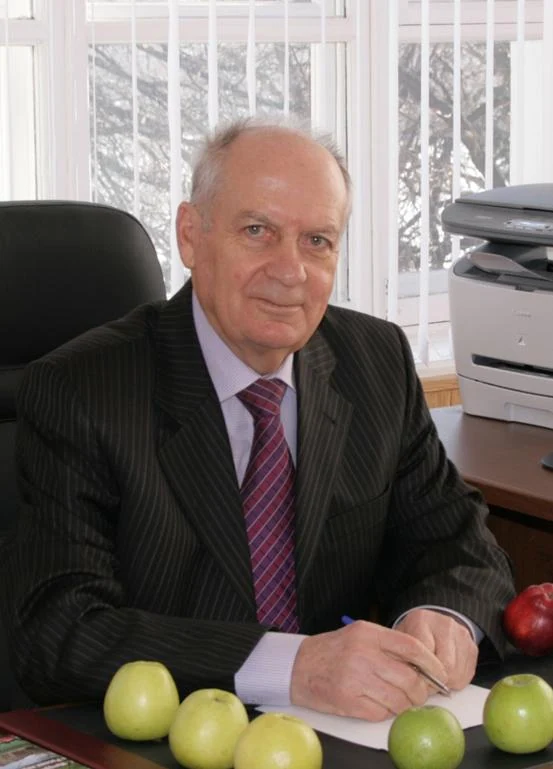
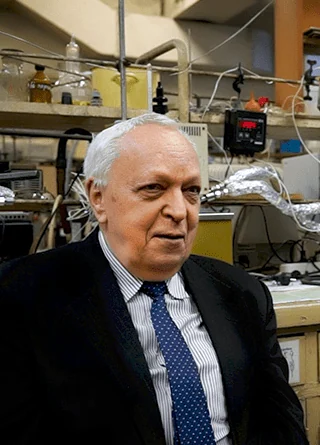
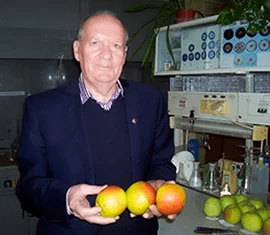
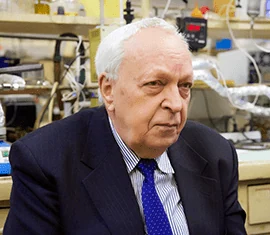
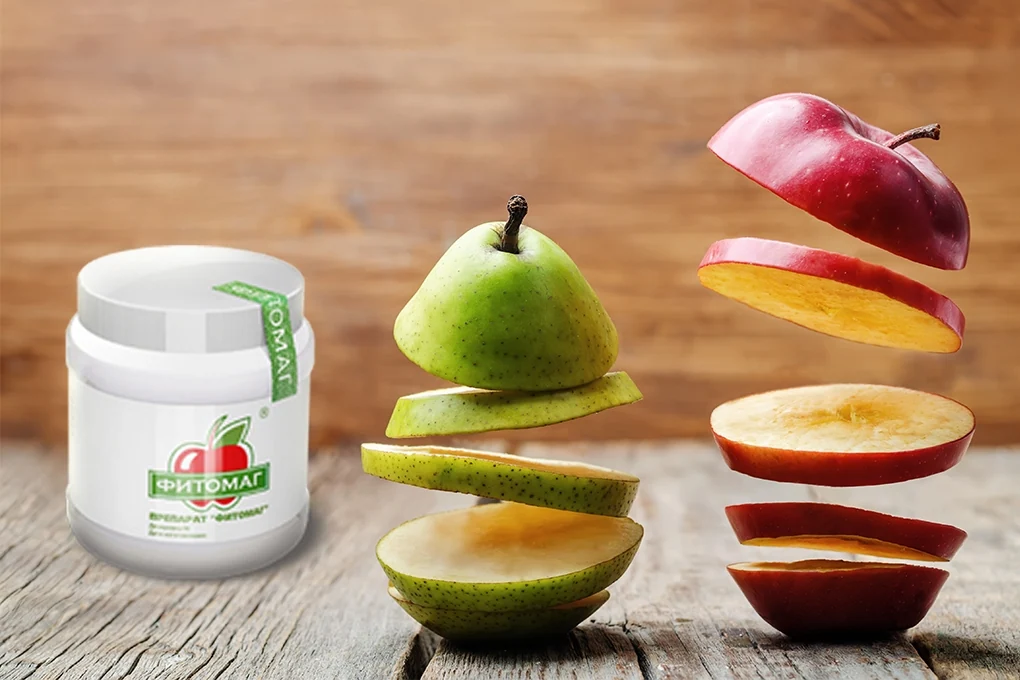
At the initiative of Russian Academy of Sciences Academician V.A. Gudkovsky at the Department of Basic Organic and Petrochemical Synthesis Technology of the D.I. Mendeleev Russian University of Chemical Technology, under Professors V.F. Shvets and R.A. Kozlovsky, work was undertaken to develop a domestic manufacturing technology for a convenient formulation of 1-methylcyclopropene. In 2004, the department developed the technology for manufacturing this formulation, named Fitomag.
Under Academician V.A. Gudkovsky the I.V. Michurin All-Russian Research Institute of Horticulture developed a technology for using the Russian product Fitomag to store many fruits (apples, pears, plums, apricots, peaches, cherry plums, persimmons, kiwifruit, avocados, feijoa and others) and vegetables (tomatoes, cucumbers, broccoli, cauliflower, white cabbage, Chinese cabbage and courgettes) in normal (NA), controlled (CA) and modified (MA) atmospheres, and to transport perishable fruit and vegetables over long distances. Objective harvest timing indicators were developed, and optimum product concentrations for each fruit and vegetable species and variety, storage conditions (temperature, atmospheric composition, relative humidity) and duration were selected. Objective indicators were developed to predict major physiological fruit disorders, including superficial scald, bitter pit and breakdown. Research results were tested and implemented at many farms in Russia, including the Central, Southern and North Caucasian Federal Districts: OOO Sad Gigant, ZAO Agrofirma im. 15 let Oktyabrya, OAO Agronom Sad, ZAO Viktoria-92, ZAO Loris, KSP Svetlogorskoye, ZAO Plodovod, ZAO KSP Sovkhoz Arkhipo-Osipovsky, OOO Sadovod, OOO Plodovod, ZAO AlmaProduction, OOO AgroTsentr, SPK Kolos, OOO Spektr-SK, OOO Zherdevsky Plodopitomnik, ZAO Ostrogozhsksadpitomnik, ZAO Korochansky Plodopitomnik, OOO Plava, OOO Rovenskiye Sady, OOO Oboyansky Sad, OOO Sady Baksana, OOO Sady Elbrusa and OOO Frukt-Treyd, as well as in Ukraine, Moldova, Belarus, Kazakhstan and other countries.
NA, CA and MA storage technologies using Fitomag provide:
- maximum preservation of the initial quality of fruit and vegetables during storage and delivery to consumers;
- elimination or sharp reduction of superficial scald, senescent breakdown and soft scald, inhibition of breakdown in watercored fruit, skin greasiness and fungal rots, including Gloeosporium, and reduced weight losses;
- preservation of fruit quality: freshness, attractiveness, firmness, juiciness, crisp texture, flavour and nutritional value, with better retention of antioxidant activity and acidity, increasing consumer demand;
- year-round sales of high-quality fresh fruit through selection of varieties and storage technologies;
- reduced electricity costs during storage;
- guaranteed additional profit and improved business competitiveness.
Research to improve fruit and vegetable storage technologies continues.
|
V.A. Gudkovsky Academician of the Russian Academy of Sciences Tel.: +79156677949 |
|
V.F. Shvets Professor Tel.: +79168086034 |
|